Cloud Hosting for Small Businesses: Benefits and Considerations
Learn how cloud hosting can help small businesses improve website performance, scalability, reliability, and flexibility without major infrastructure costs.
 John
John
Cloud hosting has become an attractive solution for small businesses that need reliable and flexible website infrastructure. Instead of depending on a single physical server, cloud hosting distributes resources across a network of connected servers.
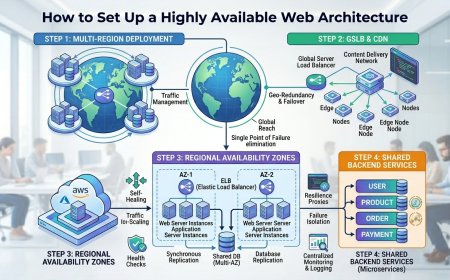
One of the biggest advantages is scalability. A small business can start with limited resources and increase CPU, RAM, storage, or bandwidth as its website grows. This can be especially useful for online stores, booking websites, SaaS applications, and businesses that experience seasonal traffic.
Cloud hosting can also improve reliability. If one server experiences a technical problem, workloads may be redirected to other available infrastructure depending on the provider's architecture. This can reduce the risk of extended downtime.
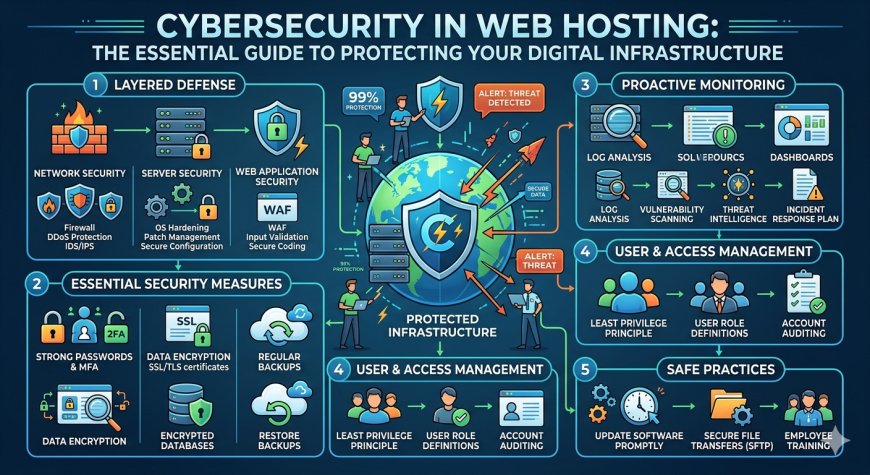
Another benefit is flexibility. Businesses can select different configurations based on their applications and resource requirements. Many cloud platforms also provide monitoring tools, automated backups, security features, and easy resource management.
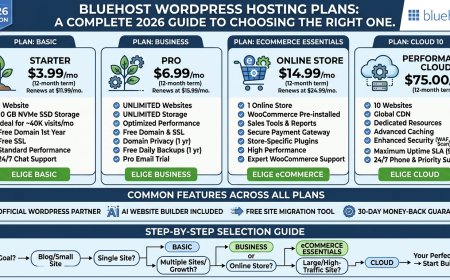
However, cloud hosting can sometimes be more complex than traditional shared hosting. Pricing can also vary depending on resource consumption and additional services.
Before choosing a cloud hosting provider, small businesses should evaluate performance, security, scalability, support, data center locations, backup policies, and pricing transparency.