The Complete Guide to Web Hosting: How to Choose the Best Hosting for Your Website
Learn what web hosting is, explore the different types of hosting services, and discover how to choose the best hosting solution for your website.
 John
John
What Is Web Hosting and Why Is It Important?
Web hosting is a service that allows individuals and businesses to store their website files, images, databases, and other digital content on a server connected to the internet.
Without web hosting, a website would not be accessible to users online. When someone enters a website address into their browser, the hosting server processes the request and delivers the website content to the visitor.
Web hosting is one of the essential components of building and maintaining a successful online presence.
How Does Web Hosting Work?
The process of web hosting is relatively simple:
- Register a domain name.
- Choose a web hosting provider.
- Upload your website files to the hosting server.
- Connect your domain name to the server.
- Make your website accessible to visitors worldwide.
The hosting provider is responsible for maintaining the server infrastructure, ensuring security, managing resources, and keeping the website available online.
Main Types of Web Hosting
There are several types of web hosting services available, each designed for different types of websites and business needs.
Shared Hosting
Shared hosting is one of the most affordable and popular hosting options. Multiple websites share the resources of a single server.
It is ideal for:
- Personal blogs.
- Small business websites.
- Portfolio websites.
- New websites with low traffic.
Shared hosting is usually easy to manage and does not require advanced technical knowledge.
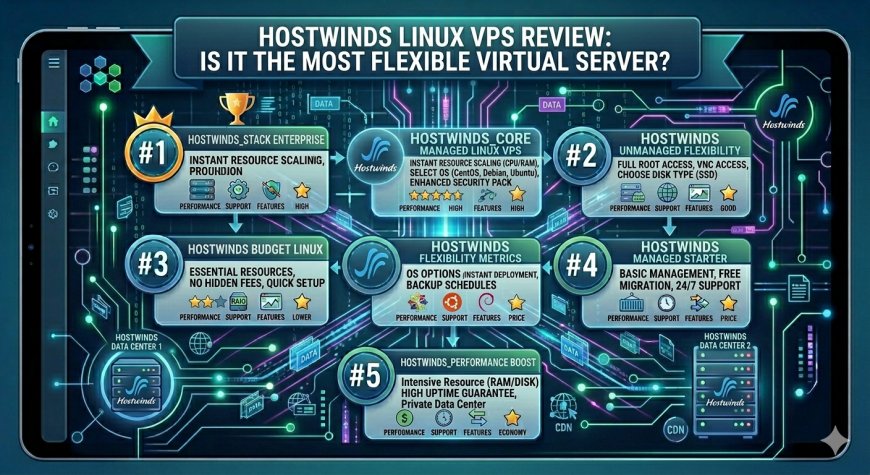
VPS Hosting
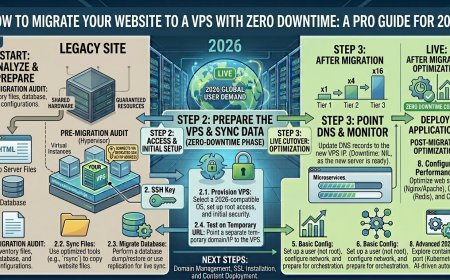
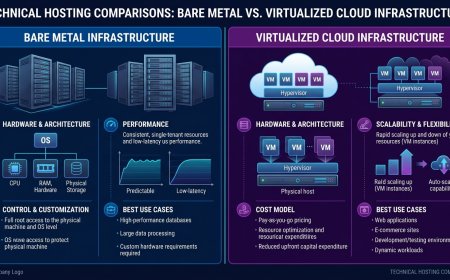
A Virtual Private Server (VPS) provides dedicated virtual resources within a physical server. It offers more control, flexibility, and performance than traditional shared hosting.
VPS hosting is a good option for websites that are growing and require additional resources.
Cloud Hosting
Cloud hosting uses multiple interconnected servers to host websites and applications.
One of its main advantages is scalability. Resources can be adjusted according to website traffic and business requirements.
Cloud hosting is often used by businesses that need high availability and reliable performance.
Dedicated Servers
A dedicated server provides an entire physical server exclusively for one customer.
This hosting solution offers maximum performance, security, and customization.
Dedicated servers are commonly used by large businesses, high-traffic websites, and complex online applications.
How to Choose the Best Web Hosting Provider
Before choosing a hosting service, it is important to evaluate several factors.
Performance and Speed
Website speed is essential for both user experience and search engine optimization. A reliable hosting provider should offer modern infrastructure and fast server performance.
Security
A good hosting service should include security features such as SSL certificates, backups, malware protection, and firewall systems.
Customer Support
Technical problems can occur at any time. Reliable customer support can help resolve issues quickly and minimize website downtime.
Scalability
Your hosting solution should be able to grow with your website. As traffic increases, you may need additional storage, bandwidth, and server resources.
Uptime and Reliability
Uptime refers to the amount of time a server remains operational. Choosing a provider with high uptime helps ensure that your website remains accessible to visitors.
Why Web Hosting Is Important for Your Website
The quality of your web hosting service can directly affect several important aspects of your website, including:
- Website loading speed.
- Search engine optimization (SEO).
- Website security.
- User experience.
- Server reliability.
- Business growth.
Poor hosting can result in slow loading times, frequent downtime, security vulnerabilities, and a negative experience for visitors.
Conclusion
Web hosting is a fundamental part of every successful website. Choosing the right hosting solution depends on your website's size, traffic, technical requirements, and future growth plans.
Shared hosting may be suitable for small websites and beginners, while VPS, cloud hosting, and dedicated servers provide additional resources and flexibility for larger projects.
Before selecting a hosting provider, compare performance, security features, customer support, pricing, and scalability options. Choosing the right web hosting service can help create a faster, more secure, and reliable online presence.