The Best Web Hosting Services of 2026: A Definitive Guide for Professional Growth
Planning to scale in 2026? We analyzed the top web hosting providers based on speed, security, and long-term value. Find the right infrastructure to power your business growth.
 John Toledo

The Best Web Hosting Services of 2026: A Definitive Guide for Professional Growth
In 2026, web hosting is no longer just "disk space." It is the engine that drives your site's SEO rankings, conversion rates, and overall brand credibility. With modern requirements like NVMe storage, edge-caching, and automated security, choosing the right partner is a strategic decision that affects your bottom line.
Why Your Choice of Hosting Defines Your Success
A reliable hosting provider is the difference between a site that scales effortlessly and one that crashes during a peak traffic event. If you are serious about professional growth, you need to look beyond introductory prices and evaluate the Total Cost of Ownership (TCO), including renewal rates, security features, and support responsiveness.
The 2026 Industry Leaders at a Glance
| Provider | Best For | Standout Strength |
| Bluehost | WordPress Beginners | Guided setup & AI tools |
| Hostinger | Performance per Dollar | High-speed NVMe & caching |
| Namecheap | Budget & Domains | Competitive bundles |
| GoDaddy | Ease of Use | All-in-one ecosystem |
| HostGator | Simple Projects | Intuitive control panels |
The 5 Pillars of High-Performance Hosting
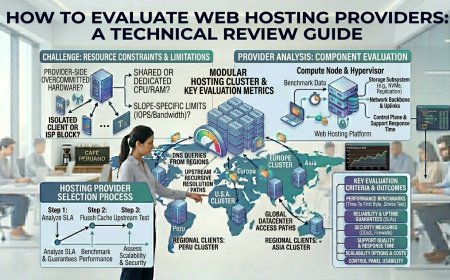
When comparing providers, ignore the marketing fluff and focus on these technical benchmarks:
1. Infrastructure (Speed & Reliability)
The move to NVMe storage is now a requirement, not a luxury. NVMe interfaces provide the low-latency throughput necessary for complex database queries. In 2026, aim for a host that guarantees a Time to First Byte (TTFB) under 200ms and utilizes a globally distributed CDN.
2. Security as a Default
Security should never be an "add-on." The best providers for 2026 include:
-
WAF (Web Application Firewall): Blocks malicious traffic at the network edge.
-
Automated Backups: Off-site, daily, with one-click restore capabilities.
-
Proactive Malware Scanning: Not just alerts, but remediation and hardening tools.
3. Scalability Pathways
Your needs today will differ from your needs next year. Choose providers that offer seamless upgrades from Shared to VPS or Cloud environments without requiring manual site migrations.
4. Support Quality
A server outage at 2:00 AM requires a human, not a bot. Prioritize hosts that offer 24/7 human technical support with a proven track record in troubleshooting rather than simple account management.
5. Long-Term Value (Pricing Transparency)
Always look at the renewal rate. Many providers use low introductory pricing to attract users, only to hike rates significantly after the first year. Calculate your expected costs over a 3-year term before committing.
Understanding Your Hosting Type
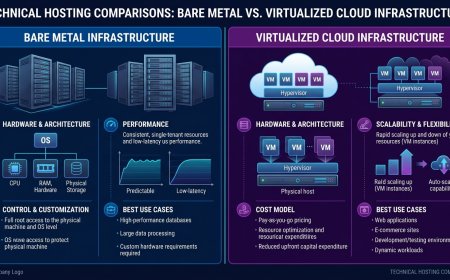
Choosing the right architecture depends on your technical comfort and traffic volume:
-
Shared Hosting: The starting point for blogs and hobby projects. (Best for < 20k monthly visits).
-
VPS Hosting: The professional standard. Provides dedicated resources and predictable performance for growing businesses.
-
Managed WordPress: The "hands-off" approach. Ideal for publishers who want optimized performance without managing server-level configurations.
-
Cloud Hosting: Built for volatility. If your traffic spikes unpredictably, cloud architecture allows for dynamic resource scaling.
Expert Insights: Good Hosting Should be Boring
"When it works, you forget it exists. When it fails, it reminds you why you should have chosen better."
— Luis Santiago Saldivar, Founder & Web Developer.
The "Golden Rule" for Growth
Don't wait for your site to crash before upgrading. If you are consistently hitting resource limits on shared plans, the cost of a migration is almost always lower than the revenue lost due to downtime.
Final Recommendation: How to Make the Choice
-
Define your technical level: Do you want a "managed" environment, or do you need root access?
-
Estimate traffic: Be realistic. If you expect growth, start with a provider that offers an easy path to VPS/Cloud.
-
Prioritize Security: Ensure the plan includes SSL, daily backups, and WAF protection.
-
Audit the Support: Before you buy, send a technical question to their pre-sales support. Their speed and quality of answer will tell you everything you need to know about your future support experience.
Pro-Tip: If you are a beginner, lean toward Bluehost for its WordPress integration or Hostinger for the best balance of speed and price. If you have a legacy business, evaluate Network Solutions for their robust service bundles.
Disclaimer: Pricing and feature sets change frequently in the hosting industry. Always confirm current terms and renewal rates on the provider's official website before signing up.